July 12, 2026 · 9 min read
Choosing Linen Fabric for Dressmaking: Weights, Weaves & Best Uses
A practical guide for sewists and designers on selecting linen fabric by the yard — lightweight, mid-weight and heavyweight linens, weaves, drape, and which linen to use for shirts, dresses, trousers, jackets and home textiles.
Key takeaways
- For dresses and skirts, 160-200 GSM linen is the reliable starting point.
- Lightweight linen under 150 GSM needs lining or a loose silhouette to avoid transparency.
- Pre-wash linen before cutting: untreated linen can shrink 5-7% on the first wash.
- Softened or enzyme-washed linen sews more easily and needs less pressing.
- Test the drape with a swatch pinned to a dress form before committing to yardage.
"Linen" isn't one fabric — it's a family. The same fibre spun and woven differently becomes a translucent 90 gsm shirting or a rugged 340 gsm upholstery cloth. Choosing the wrong weight is the single biggest reason a linen dressmaking project disappoints: a blouse that sits like cardboard, a pair of trousers that goes see-through in daylight. This guide walks through how we — as a small-batch linen manufacturer — pick fabric for each garment type, so you can do the same before you cut.
1. Read the weight (GSM) before anything else
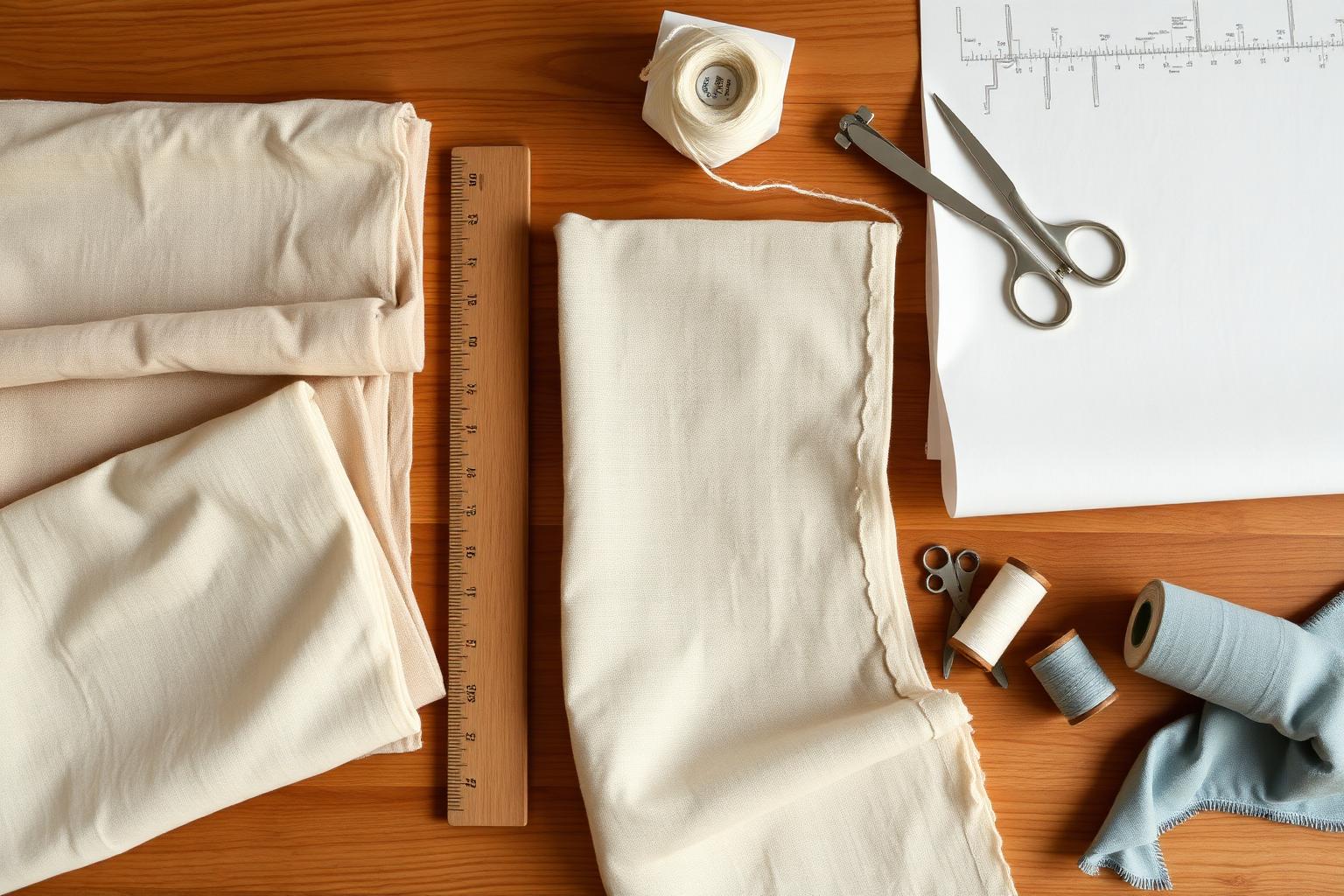
Fabric weight is measured in grams per square metre (gsm), sometimes shown as ounces per square yard. It's the fastest predictor of drape, opacity and season. As a rule of thumb for 100% linen:
- Lightweight — 90–150 gsm. Soft, drapey, semi-sheer. Ideal for summer shirts, blouses, camisoles, scarves, curtains. Needs lining for skirts or trousers.
- Mid-weight — 160–240 gsm. The dressmaking sweet spot. Holds shape without being stiff. Dresses, shirtdresses, wide-leg trousers, jumpsuits, table linens.
- Heavyweight — 250–340 gsm. Structured and opaque. Jackets, blazers, unlined coats, tailored trousers, upholstery, aprons, tote bags.
- Bottom-weight suiting — 340 gsm+. True tailoring cloth. Suits, structured skirts, workwear.
If a fabric shop doesn't publish the gsm, ask before buying by the yard — a "linen dress fabric" listing can be anything from 110 to 260 gsm and the two will sew like different materials.
2. Understand the weave
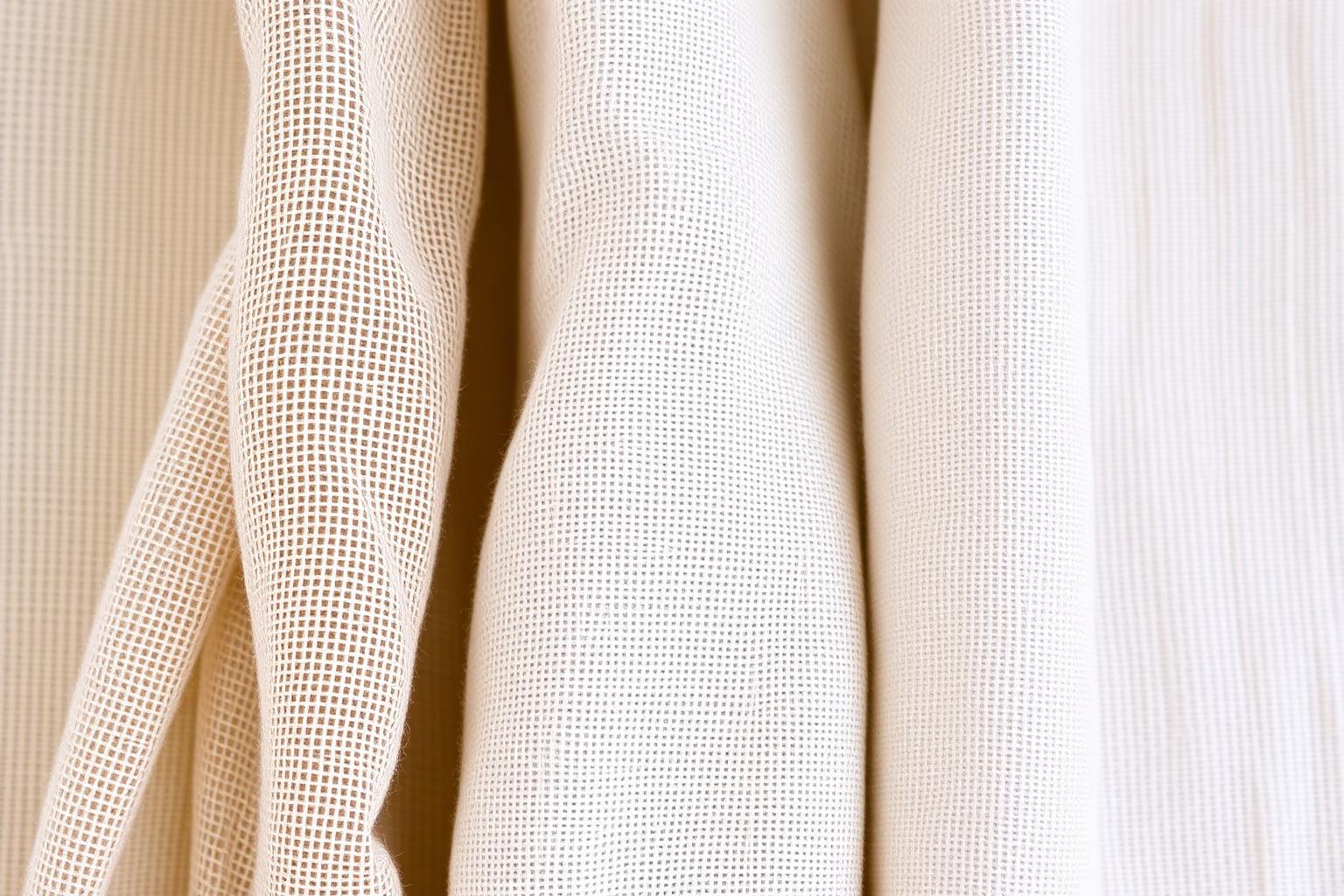
Weight tells you how much linen; weave tells you how it behaves.
- Plain weave — the classic linen look. Balanced, breathable, slightly crisp. Best all-round choice for shirts, dresses and bedding.
- Twill weave — diagonal texture, softer drape, better crease recovery. Great for trousers and jackets.
- Herringbone — a twill variation with structure and visual interest. Suiting, coats, tailored skirts.
- Slub linen — irregular yarn thickness gives a rustic, textured surface. Casual shirts, curtains, cushion covers.
- Open weave / gauze linen — loose plain weave, sheer and airy. Beach cover-ups, layering, drapery. Handle with a walking foot.
- Damask linen — jacquard-woven patterns. Tablecloths and formal table linens.
3. 100% linen vs. linen blends
Pure linen breathes best and softens most beautifully over time. Blends trade a little of that for practical benefits — pick by end use, not by prejudice.
- 100% linen — the honest choice for shirts, dresses, bedding, table linens.
- Linen–cotton (55/45 or 70/30) — softer, cheaper, less wrinkly. Good for kids' clothing, beginner sewing projects, casual shirting.
- Linen–viscose / linen–Tencel — extra drape and sheen. Excellent for bias-cut dresses, wide-leg trousers and blouses.
- Linen–silk — luxurious drape and subtle lustre. Occasion dresses, evening blouses. Hand-wash only.
- Linen with 2–5% elastane — a small amount of stretch for fitted trousers and pencil skirts.
For a deeper look, see our pure linen vs. linen blends guide.
4. Match the linen to the garment
| Garment | Recommended weight | Weave / blend |
|---|---|---|
| Summer shirt / blouse | 110–160 gsm | Plain weave, 100% linen |
| Shirtdress / midi dress | 160–200 gsm | Plain or soft twill, 100% linen or linen–viscose |
| Wide-leg trousers | 190–240 gsm | Twill or plain, 100% linen or linen–viscose |
| Tailored trousers / suit | 260–340 gsm | Twill or herringbone, linen suiting |
| Unlined jacket / blazer | 250–320 gsm | Twill / herringbone, 100% linen |
| Kids' clothing | 140–180 gsm | Linen–cotton blend |
| Bed sheets / duvet cover | 170–200 gsm, stone-washed | Plain weave, 100% linen |
| Curtains (light) | 150–200 gsm | Plain or slub |
| Curtains (blackout backing needed) | 240–320 gsm | Heavy plain or twill |
| Tablecloth / napkins | 170–210 gsm | Plain or damask |
| Upholstery / cushion covers | 280–340 gsm | Heavy plain, slub or herringbone |
5. Buying linen fabric by the yard — what to check
- GSM stated. If it's not on the listing, ask. Anything vague is a red flag.
- Fibre content. "European flax" and "OEKO-TEX® Standard 100" are meaningful; "linen-look" usually means polyester.
- Pre-shrunk / stone-washed. Softer hand and only 1–2% residual shrinkage, versus 5–7% for greige (raw) linen.
- Width. Standard is 140–150 cm. Buy 10% extra for pattern layout and shrinkage.
- Order swatches first. Screens misrepresent linen more than any other fibre — colour, hand and slub visibility are all impossible to judge online.
6. Sewing linen: five things that make the difference
- Pre-wash before cutting. Wash, tumble low or line-dry, then press. Skip this and your first laundry cycle will shrink the finished garment.
- Needle: universal 80/12 for lightweight, 90/14 for mid-weight, 100/16 for suiting.
- Thread: polyester all-purpose or long-staple cotton. Match colour to yarn, not to warp.
- Seams: linen frays. Use French seams on sheer shirts, or overlock/zig-zag before pressing.
- Press as you go with steam — linen loves a hot iron and holds pressed seams beautifully.
7. Sustainability — why linen is worth the extra care
Linen uses 60% less water than cotton to grow, needs almost no pesticides, and the flax plant is compostable in every part. A well-chosen linen garment easily lasts 10+ years — the highest-leverage sustainable choice a home sewist can make. See is linen more sustainable than cotton? for the numbers.
Need help sourcing the right linen for a collection?
We're a small-batch linen manufacturer producing apparel from 30 pieces per colour and home textiles from a single piece. If you're moving from home sewing to a small production run and want to source the exact fabric for your design, request a swatch pack or message us on WhatsApp — we'll help you pick the right weight, weave and finish for the garment you have in mind.