July 18, 2026 · 8 min read
Linen Knit Blends 101: Pure Linen, Linen–Cotton, Linen–Tencel, Linen–Viscose & Linen–Poly Explained
A plain-English guide to linen knit fabrics and their most common blends — pure linen jersey, linen–cotton, linen–viscose, linen–Tencel and linen–poly — with hand feel, stretch, breathability, care and best-use recommendations for T-shirts, dresses and loungewear.
Key takeaways
- Pure linen jersey exists but is rare; most linen knits are blends built for stretch recovery.
- Linen-cotton knits are the safest choice for tees and everyday knitwear.
- Linen-Tencel and linen-viscose knits drape best and suit dresses and loungewear.
- A small percentage of elastane or poly is often what makes a linen knit commercially wearable.
- Knit linen shrinks more than woven linen — always pre-shrink before cutting.
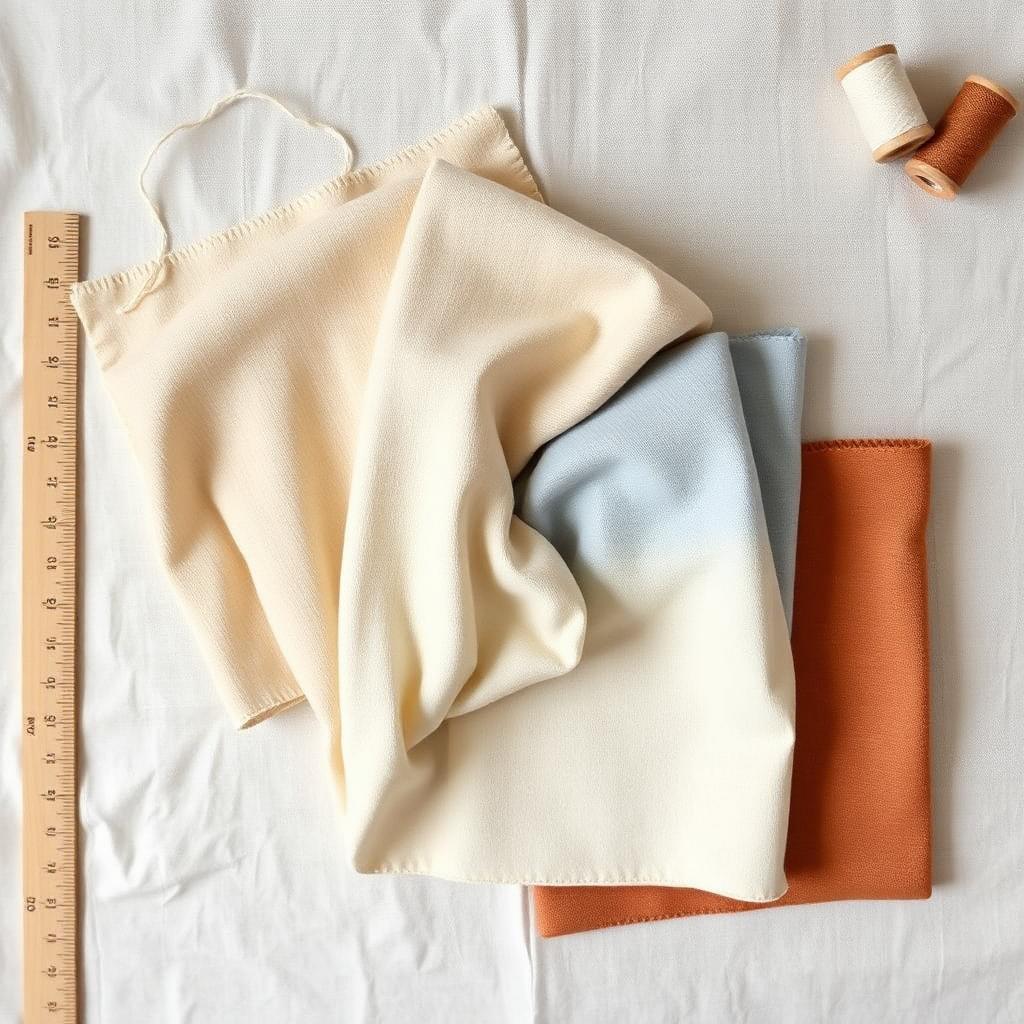
Woven linen gets most of the attention, but linen knits — jerseys, ribs and interlocks made with linen or linen blends — are quietly becoming the fabric of choice for T-shirts, relaxed dresses, loungewear and next-to-skin summer basics. They combine linen's natural coolness with the stretch, softness and easy drape of a knit. Here's a practical primer on the five linen knit fabrics we use most often in production, so designers and buyers can pick the right one before sampling.
Why linen knit instead of woven linen?
Knitting loops the yarn instead of interlacing it at right angles. Compared with woven linen, a linen knit is:
- Stretchier — mechanical stretch from the loop structure, no elastane required.
- Softer against skin — less crisp, more forgiving on necklines and cuffs.
- Easier to wear — wrinkles far less than woven linen, keeps linen's breathability.
- More forgiving to sew and grade — good for T-shirts, polos, loungewear, baby and kidswear.
The trade-off: pure linen fibre is short and stiff, so 100% linen knits can pill or lose shape faster than blends. That's why most commercial linen knits are blended — each blend fixes a different weakness.
1. 100% linen knit (pure linen jersey)
Made from combed flax yarn knitted into a single or double jersey. Highly breathable, cool to the touch, with linen's honest, slightly rustic texture.
- Hand feel: dry, cool, natural — softens noticeably after 2–3 washes.
- Stretch: mild mechanical stretch, low recovery.
- Best for: summer T-shirts, tank tops, relaxed dresses, resort wear, artisanal brands.
- Care: cold machine wash, flat dry. Expect ~5–7% shrinkage on the first wash — pre-wash before cutting.
2. Linen–cotton knit
Typically 55% linen / 45% cotton or 70/30. The cotton fills in linen's short fibres, adding softness, stretch recovery and colour uptake.
- Hand feel: soft, plush, next-to-skin friendly.
- Stretch: better recovery than pure linen; keeps shape after wear.
- Best for: everyday T-shirts, polos, kidswear, sleepwear, hotel loungewear.
- Care: cool machine wash, tumble dry low. More wrinkle-resistant than pure linen.
3. Linen–viscose (rayon) knit
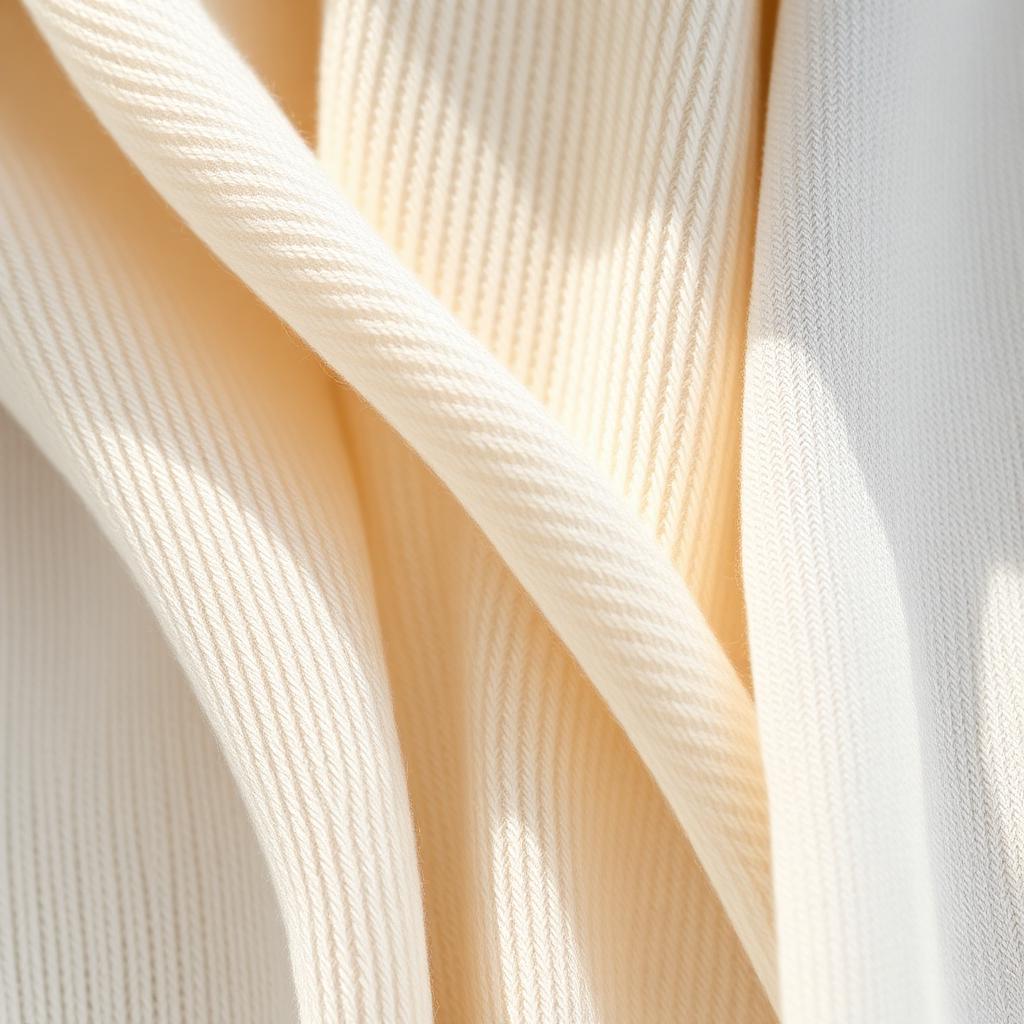
Usually 55% linen / 45% viscose. Viscose is a plant-based cellulose fibre with a silky, fluid drape.
- Hand feel: smooth, cool, drapey with a subtle sheen.
- Stretch: good drape rather than stretch — flows on the body.
- Best for: slip dresses, bias-cut tees, elevated loungewear, drapey resort dresses.
- Care: gentle wash cold, hang dry. Avoid tumble drying — viscose weakens when wet.
4. Linen–Tencel™ (lyocell) knit
Usually 60% linen / 40% Tencel lyocell. Tencel is a botanical fibre made in a closed-loop, low-water process — a premium sustainable upgrade over standard viscose.
- Hand feel: silky-soft, cool, with fluid drape and a quiet, matte sheen.
- Stretch: excellent drape, moisture-wicking, breathable.
- Best for: premium T-shirts, minimalist dresses, resort and travel wear, sustainability-led collections.
- Care: cool wash, flat dry. Colours stay vibrant longer than viscose.
5. Linen–polyester knit
Usually 45% linen / 55% polyester. The polyester adds durability, dimensional stability and easy care — a favourite for uniforms and value-tier retail.
- Hand feel: smooth, resilient, slightly cooler than 100% poly.
- Stretch: reliable recovery; holds shape wash after wash.
- Best for: workwear, uniforms, performance-oriented tees, high-volume basics.
- Care: machine wash and tumble dry safe. Lower moisture absorbency than natural blends.
Quick comparison table
| Blend | Softness | Drape | Breathability | Care ease | Best use |
|---|---|---|---|---|---|
| 100% Linen | Medium | Medium | Excellent | Medium | Summer tees, artisan basics |
| Linen–Cotton | High | Medium | Excellent | High | Everyday tees, kidswear |
| Linen–Viscose | High | High | Good | Medium | Slip dresses, drapey tees |
| Linen–Tencel | Very high | Very high | Excellent | High | Premium sustainable lines |
| Linen–Polyester | Medium | Medium | Fair | Very high | Uniforms, value basics |
How to choose the right linen knit for your collection
- Start from end use. Next-to-skin summer basics love linen–cotton or linen–Tencel; drapey silhouettes need viscose or Tencel; durable workwear leans on linen–poly.
- Match GSM to season. 140–170 gsm for airy summer tees, 180–220 gsm for four-season basics, 230–260 gsm for structured knit dresses and light loungewear.
- Ask for pre-shrunk yardage. Linen knits move on the first wash. Reputable mills pre-shrink; if not, budget 5–8% shrinkage into pattern grading.
- Sample before scaling. Hand feel varies hugely between mills at the same blend ratio. Always wash-test a full garment sample before ordering bulk.
Care tips for linen knit garments
- Wash cold or 30°C on a gentle cycle, inside-out to protect the surface.
- Use a mild, pH-neutral detergent — no bleach, no fabric softener.
- Reshape flat while damp; hang or tumble drying stretches the shoulders.
- Steam rather than iron — linen knits should look softly rumpled, not pressed.
Sourcing linen knit fabric with LinenTailor
We stock and mill-source all five blends above in weights from 140 to 260 gsm, with typical MOQs of 30 pieces per style / colour for garment production and 100+ metres for fabric-only orders. We can share physical swatches, wash-test reports and lab dips before you commit to bulk.
Want to see how these fabrics behave against your designs? Request a free swatch kit or message us on WhatsApp — tell us the garment type and target price, and we'll recommend the right blend, weight and finish.
Related reading
- Pure linen vs. linen blends: which one is right for your brand?
- Choosing linen fabric for dressmaking: weights, weaves & best uses
- How to care for linen clothing and home textiles
Frequently asked questions
- Is linen knit hotter or cooler than cotton jersey?
- Cooler. Linen fibre has a hollow structure that wicks moisture and releases heat faster than cotton, so a 180 gsm linen or linen-cotton knit will feel noticeably cooler in humid weather than the same weight of 100% cotton jersey.
- Does linen knit shrink a lot?
- Yes — expect 5–7% shrinkage on the first wash for 100% linen knits, and 3–5% for linen-cotton and linen-viscose blends. We pre-wash and relax the fabric before cutting on every bulk order to keep finished garments true to size.
- Will linen knit T-shirts pill or lose shape?
- Pure linen knit can pill lightly and lose recovery over time because linen fibres are short. Blending with cotton, Tencel or a small amount of poly dramatically improves pilling resistance and shape retention — for everyday T-shirts we recommend a 55/45 linen-cotton or 60/40 linen-Tencel knit.
- Can linen knit be machine washed and tumble dried?
- Machine wash cold on a gentle cycle for all five blends. Tumble drying is fine on low for linen-cotton and linen-poly, but pure linen, linen-viscose and linen-Tencel should be hang- or flat-dried to protect fibre strength and drape.
- What is the minimum order for custom linen knit garments at LinenTailor?
- MOQ is 30 pieces per colour, per style for garment production, and 100 metres per colour for fabric-only orders. We can send physical swatches and lab dips before you commit to bulk.
- Which linen knit blend is best for baby and kidswear?
- Linen-cotton (55/45 or 60/40) at 160–200 gsm. It is soft next to skin, machine-washable, colour-stable and has better shape recovery than pure linen — the four properties parents and buyers look for.