
August 15, 2026 · 9 min read
Which Regions Love Cotton-Linen Most — and Why
Where cotton-linen sells best worldwide — Europe, Australia, North America, Japan, Korea and the Gulf — and the climate, cultural and retail reasons behind each market's preference, with sourcing implications for brands.
Key takeaways
- Demand for cotton-linen clusters in hot-and-humid or hot-and-dry climates and in markets with a strong natural-materials design culture.
- Europe — especially France, Italy, Spain, Portugal and the Baltic states — is the deepest heritage market, driven by a centuries-old flax industry and a linen-as-heirloom mindset.
- Australia and New Zealand over-index on linen apparel and bedding because of long hot summers and an outdoor, relaxed dress culture.
- North America's growth is led by bedding, resortwear and the wrinkle-tolerant 'quiet luxury' aesthetic rather than by classic linen tailoring.
- Japan and Korea prefer lighter, softer, precisely finished cotton-linen with muted natural colours and washed hands.
- The Gulf and South-East Asia buy cotton-linen for heat management; loose silhouettes and pale colours dominate.
Cotton-linen does not sell evenly across the world. Some markets treat it as a household staple that has been in the linen cupboard for generations; others discovered it five years ago through resortwear and bedding. If you are planning a collection, knowing which regions love cotton-linen — and why — changes what weight, colour and silhouette you should actually produce.
Quick answer
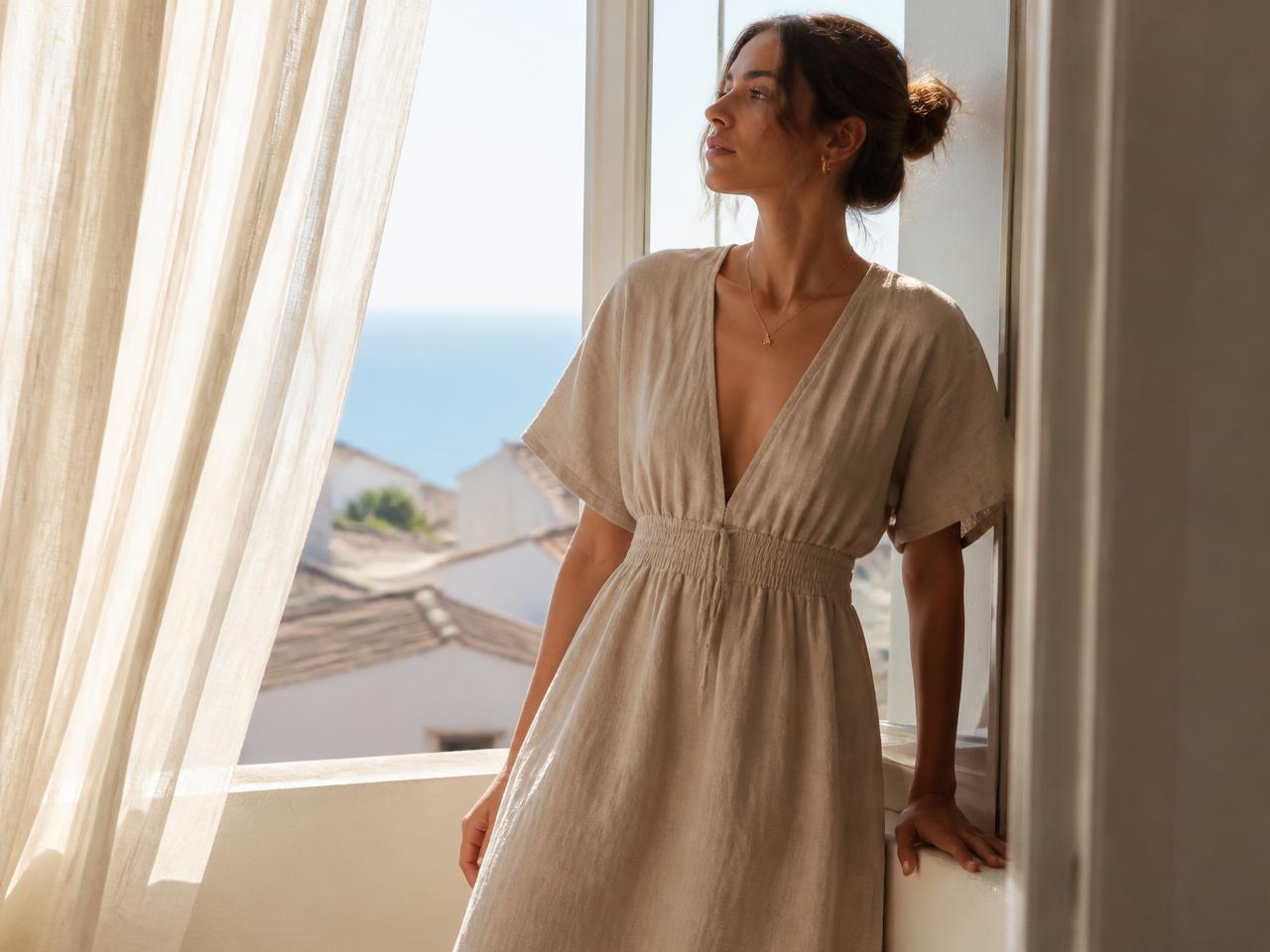
Cotton-linen is most popular in three kinds of markets: regions with hot summers (Mediterranean Europe, Australia, the Gulf, coastal South-East Asia), regions with a historic flax and linen culture (France, Belgium, Italy, Portugal, the Baltic states), and affluent markets where natural materials signal quality (North America, Japan, South Korea, Scandinavia). The reasons are climate, heritage and aesthetics — usually in combination.
1. Western and Southern Europe — the heritage market
Europe is where linen never went away. Northern France, Belgium and the Netherlands grow most of the world's long-line flax, and European Flax is a recognised origin standard. Consumers there grew up with linen bed sheets and table linen handed down between generations, so a creased linen shirt reads as authentic rather than untidy.
- France, Italy, Spain, Portugal: strong summer apparel demand — shirts, dresses, trousers — plus table linen.
- Belgium, Netherlands, Baltic states: bedding and household linen tradition; strong preference for washed, stonewashed hands.
- Scandinavia: linen fits an established minimal, natural-materials interior culture; muted colours and undyed goods sell best.
Buying behaviour: high tolerance for wrinkle, high willingness to pay for higher linen content, strong interest in certification and traceability (OEKO-TEX Standard 100, European Flax).
2. Australia and New Zealand — climate plus lifestyle
Australia over-indexes heavily on linen for its population size. Long hot summers, an outdoor and coastal lifestyle, and a relaxed dress code across both social and many work settings make cotton-linen a natural default. Bedding is equally strong: breathable bedding is a practical requirement in an Australian summer, not a design flourish.
Buying behaviour: 130–180 GSM apparel weights, oversized and relaxed silhouettes, oatmeal / sage / terracotta / white colour cards, high demand for washed finishes and easy machine-wash care.
3. North America — bedding and quiet luxury
The United States and Canada are the largest markets by absolute volume, but the entry point differs from Europe. Growth has been driven by direct-to-consumer bedding brands and by resortwear, then reinforced by the "quiet luxury" aesthetic that made natural texture desirable. Classic linen tailoring remains a smaller niche.
Buying behaviour: bedding sets and duvet covers in 160–200 GSM, resort shirts and dresses, more white and mid-blue than Europe, lower tolerance for heavy creasing — which is exactly why cotton-linen blends often outsell 100% linen here.
4. Japan and South Korea — refinement and finish
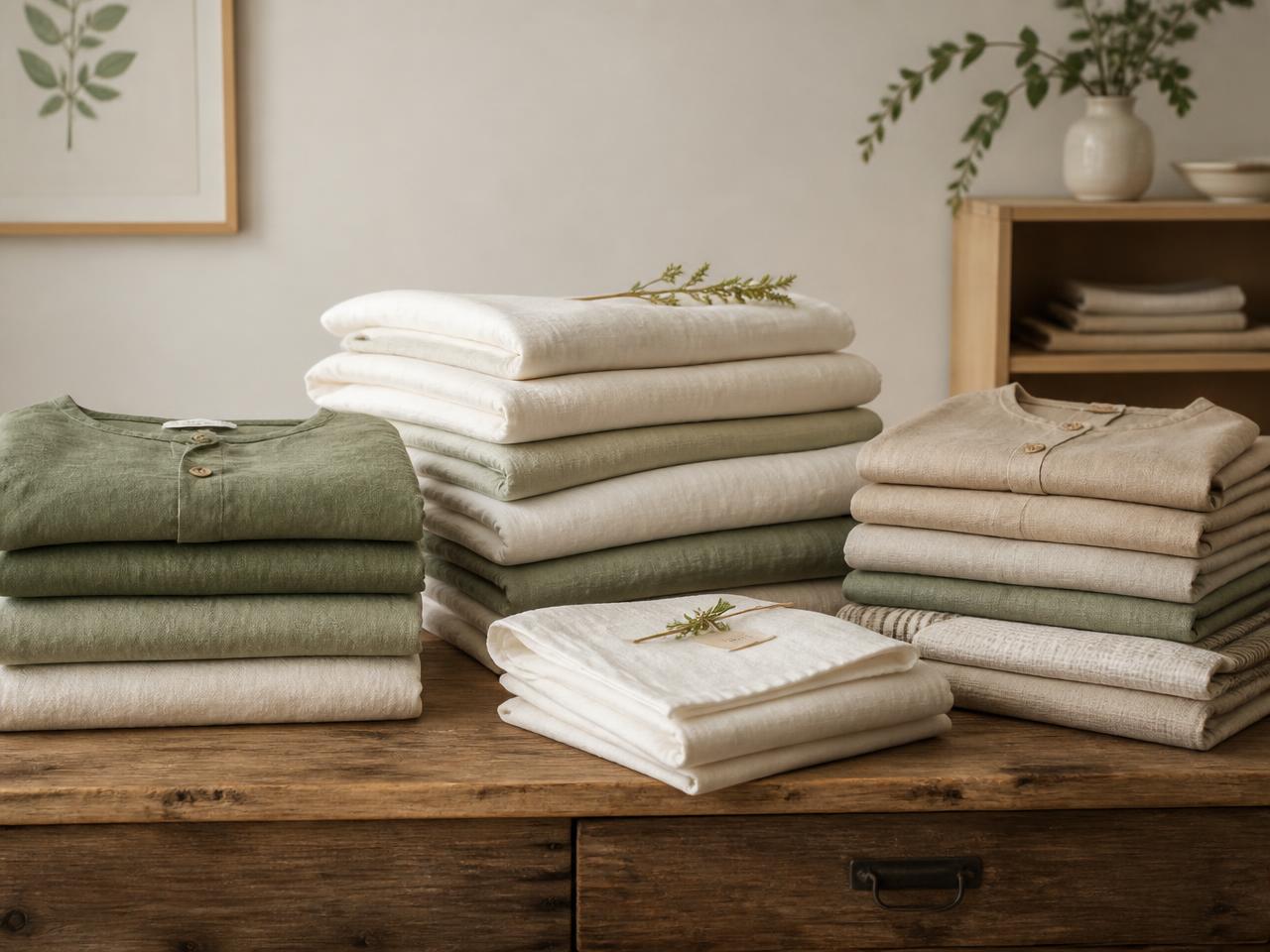
Japan has a long history with bast fibres, including ramie and hemp for summer kimono, and today buys highly finished, soft cotton-linen with precise construction. South Korea's demand grew through the natural-material interior and slow-fashion movements. Both markets are unforgiving on finishing details: seam neatness, colour consistency and hand feel matter more than headline linen percentage.
Buying behaviour: lighter 110–150 GSM cloths, softened or washed hands, muted greys, ecru and soft earth tones, small clean labelling, high quality-control expectations.
5. The Gulf and coastal South-East Asia — heat management
In the Gulf states, linen and cotton-linen are worn for thermal comfort in extreme dry heat, typically in loose, covering silhouettes and pale heat-reflecting colours. In Singapore, Malaysia, Indonesia, the Philippines, Thailand and Vietnam, humidity is the driver: flax's ability to absorb and release moisture makes open-weave cotton-linen feel drier than cotton against the skin.
Buying behaviour: the lightest weights, 100–140 GSM, white / ivory / pale neutrals, loose fits, and — in humid markets — attention to mildew-resistant packing and shipping.
Why these preferences exist — the four real drivers
- Climate. Flax fibre is hollow, absorbent and a good conductor of heat away from the skin. In hot climates that is a functional advantage, not a style choice.
- Heritage. Where flax has been grown and woven for centuries, linen carries inherited meaning: dowry sheets, table linen, workwear. Habit sustains demand.
- Aesthetic tolerance for wrinkle. This is the sharpest cultural divide. Markets that read creases as character buy pure linen; markets that read creases as carelessness buy cotton-linen blends.
- Sustainability values. Flax needs little irrigation and few inputs in its main growing regions, which matters to buyers in Europe, Scandinavia, Australia and increasingly North America. See our analysis of linen versus cotton sustainability.
What this means for your production plan
| Target market | Recommended weight | Finish | Colour direction |
|---|---|---|---|
| Mediterranean Europe | 140–180 GSM | Enzyme or stonewash | Natural, ecru, olive, terracotta |
| Australia / NZ | 130–180 GSM | Soft washed | Oatmeal, sage, white, tan |
| North America (bedding) | 160–200 GSM | Stonewash | White, ivory, mid-blue, charcoal |
| Japan / Korea | 110–150 GSM | Fine soft finish | Grey, ecru, muted earth |
| Gulf / SE Asia | 100–140 GSM | Light, breathable | White, ivory, pale neutrals |
The practical takeaway: do not build one global spec. Build one product with two or three market-specific colourways and weights, and test them in a small run before committing capital.
Producing for multiple markets with LinenTailor
LinenTailor is the brand of Dongguan Jianmai Supply Chain Co., Ltd., a small-batch linen production partner in Dongguan, China. Our MOQ is 30 pieces per colour for apparel and 1 piece for home textiles, so you can run several market-specific colourways inside a single order instead of betting on one. Our fabric library holds 100+ linen and cotton-linen qualities across all the weight bands above, with OEKO-TEX Standard 100 certified fabrics available, with free swatch cards shipped worldwide.
Tell us your target market and we will recommend the weight, finish and colour card — message us on WhatsApp, browse the linen fabric library, or try AI Fabric Match.
Related reading: what cotton-linen fabric is used for, linen fabric weights and weaves, and how a new brand chooses a factory.
Frequently asked questions
- Which countries buy the most linen and cotton-linen products?
- In per-capita terms, European markets — France, Italy, Spain, Portugal, Belgium and the Baltic states — lead, followed by Australia and New Zealand. The United States is the largest single market by absolute volume, driven mainly by bedding and resortwear. Japan, South Korea, the Gulf states and coastal South-East Asia are strong secondary markets.
- Why is linen so popular in Europe?
- Europe grows most of the world's high-quality flax — northern France, Belgium and the Netherlands account for the majority of long-line flax fibre — so linen has been a household textile there for centuries. That heritage plus a hot Mediterranean summer and a design culture that accepts natural creasing keeps demand high.
- Is cotton-linen suitable for humid climates?
- Yes. Flax fibre absorbs moisture and releases it quickly, and open weaves promote airflow, so cotton-linen feels drier than cotton in humid heat. In very humid markets, choose lighter weights of 110–150 GSM and looser silhouettes.
- Do colour preferences differ by region?
- Yes. Europe and Australia favour natural, oatmeal, sage, terracotta and off-white; North America adds more white and mid-blue for bedding; Japan and Korea prefer muted greys, ecru and soft earth tones; Gulf markets skew to white, ivory and pale neutrals for heat reflection.
- What does this mean for a brand's first production run?
- Design the fabric weight, silhouette and colour card for your primary market rather than for a global average, and test with a small run. LinenTailor's 30-piece-per-colour MOQ lets a brand run several colourways for different markets in one order.