September 27, 2026 · 10 min read
Working with a China apparel factory: how new brands avoid failed samples
A practical development checklist for new brands working with a China apparel factory: write a usable brief, lock fabric and fit, control revisions, and approve PPS before bulk.
Quick answer
New brands avoid failed samples by replacing assumptions with written approvals: send a complete brief, lock the actual fabric and fit base, give one consolidated revision list, define the purpose of each sample round, and approve a pre-production sample before bulk.
Key takeaways
- A sample usually fails because the brand and factory approved different assumptions, not because either side ignored the design.
- Your brief should define measurements, construction, fabric, trims, colour references and the intended fit before pattern work begins.
- Lock the physical fabric and a fit base before judging silhouette; changing fabric and fit together makes feedback impossible to isolate.
- Give one consolidated, measurable revision list and state whether the next round is for fit, sales presentation or pre-production approval.
- Do not release bulk production until the PPS and written quality expectations are approved by the brand's decision owner.
You have already shortlisted a factory, checked that it can make your product category and decided to begin development. The next risk is no longer choosing the wrong supplier. It is allowing dozens of small assumptions to enter the first sample without anyone noticing.
This guide is for new and independent brands working with a China apparel factory after the initial sourcing decision. It is a practical system for making each sample round answer one clear question, so a disappointing sample becomes useful evidence rather than a dead end.
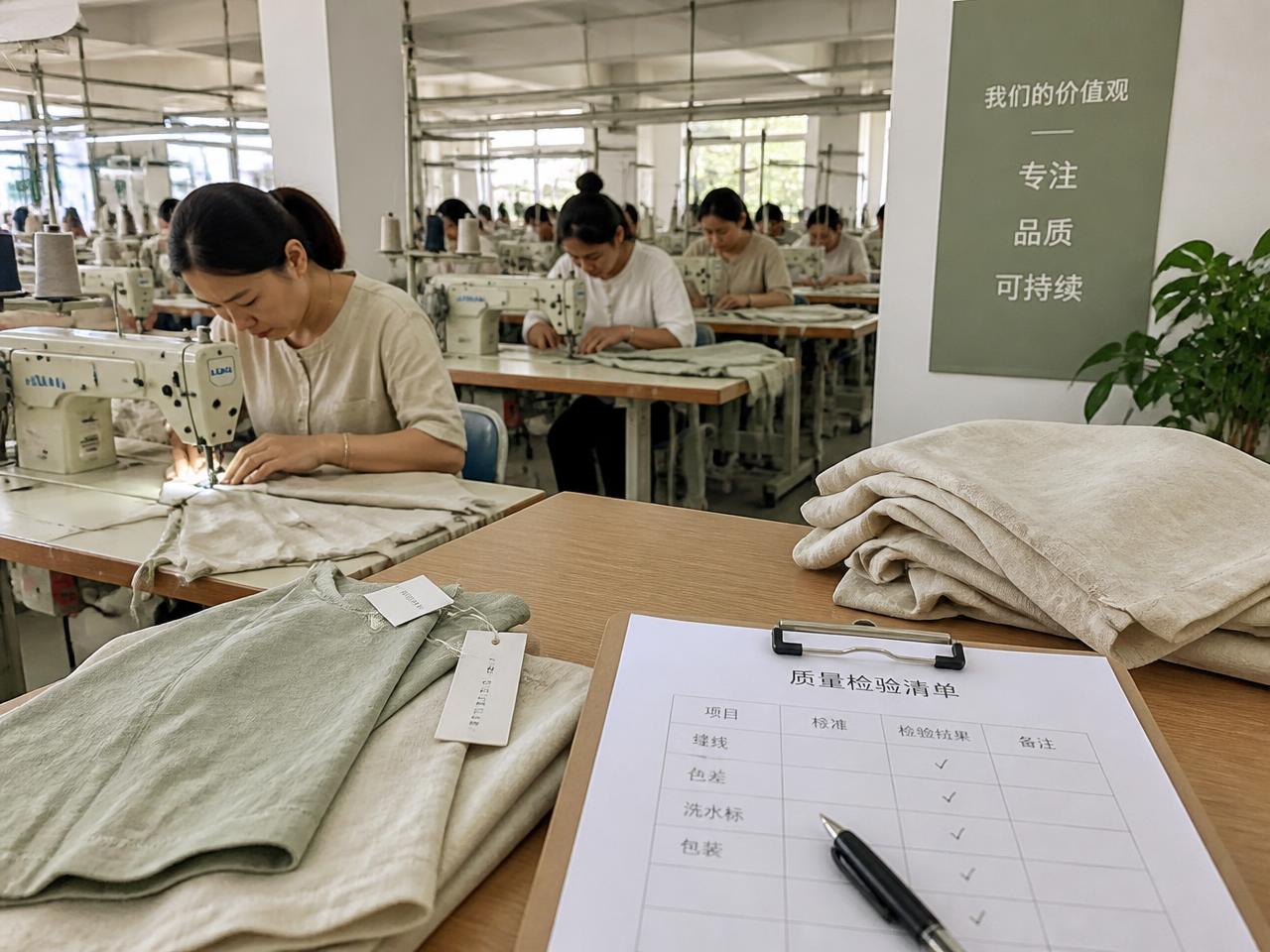
What a “failed sample” usually means
A sample can be sewn neatly and still fail the brand's test. “Failed” usually means one or more development decisions were not translated clearly:
- Fit: the garment matches a generic block, but not the brand's target customer or intended ease.
- Fabric handfeel and drape: the fibre name is right, but the weight, weave or finish behaves differently from the reference.
- Construction: seams, reinforcement, pocket shape, collar support or finishing were interpreted rather than specified.
- Trim: buttons, zips, elastic, labels or thread do not match the visual or functional requirement.
- Colour: a screen image was treated as a colour standard instead of approving a physical reference.
- Size set: the base size works, but grading rules create problems in smaller or larger sizes.
The useful question is not “Who made the mistake?” It is “Which approval was missing, ambiguous or changed after another decision depended on it?”
1. Send a brief that can be built, not just understood
A factory can understand the mood of a reference photo while still lacking the information needed to reproduce it. Before pattern work starts, send a tech pack or an equivalent development brief that covers:
- a base-size measurement chart with clear measurement points;
- front, back and detail views with construction callouts;
- fabric fibre, weight, weave, finish and approved reference;
- trim specifications for closures, elastic, labels and thread;
- colour references and the method of physical colour approval;
- reference photos labelled to show exactly what should be copied and what should not;
- the intended fit: fitted, regular, relaxed or oversized, with a fit reference where possible.
If you are starting from an AI render, read why AI fashion renders do not match real samples before sending the image alone. A render communicates appearance; the development brief must supply the missing construction decisions.
2. Lock fabric before you try to lock fit
Fit is not independent from cloth. Fabric weight, weave, finish and shrinkage affect how a neckline sits, how a sleeve hangs and where a hem settles. If the first fit sample uses substitute fabric, record that limitation and avoid approving details that depend on drape.
Whenever possible, approve an actual swatch, mill card or production-equivalent fabric before judging the fit sample. Keep its reference with the project and record fibre content, weight, weave, finish and colour. Our linen fabric library and fabric weights and weaves guide can help turn a visual request into a fabric specification.
Do not change fabric and fit at the same time without naming both changes. If the second sample has a new cloth, a wider body and a different sleeve, neither side can tell which variable produced the new silhouette.
3. Establish one fit base
Choose the body, mannequin, approved garment or measurement block that defines your base size. Record the wearer's measurements when a live fit model is used, and photograph the sample from the same angles in each round.
Comments such as “make it more flattering” or “the sleeve feels wrong” are difficult to action. Replace them with a location, direction and amount where possible: identify the measurement point, show the issue in a marked photo and state the intended result. The factory should return updated measurements or pattern notes so both sides know what changed.
4. Give each sample round one job
Sample names are useful only when both sides agree on their purpose:
- Fit sample: tests balance, ease, proportions and movement on the agreed fit base.
- Salesman sample: presents the style for buyer review or selling activity; confirm separately whether every bulk material and detail is final.
- Pre-production sample (PPS): represents the approved fabric, trims, construction, measurements, colour and finish intended for bulk.
Not every project needs every label, but every round needs a written objective. Agree which changes are included, which approvals remain open and how additional revision rounds will be handled. For the wider sequence and cost categories, use our separate linen apparel sampling process guide.
5. Consolidate revisions before the factory changes the pattern
Collect comments from design, merchandising and the founder into one numbered revision list. One person should own the final decision and send one approved version to the factory. Conflicting messages from several people create accidental reversals.
For each comment, attach a marked photo or short video, reference the relevant measurement or construction note, and classify it as:
- must change before the next sample;
- confirm by photo or measurement without remaking the whole garment;
- keep as approved so a resolved detail is not changed again.
Answer technical questions within 24 hours where possible, or state when a decision will be available. Fast, complete answers protect development momentum better than a stream of partial messages.
6. Never release bulk without an approved PPS
The PPS is the physical agreement between the approved brief and bulk production. Review it against the final measurement chart, fabric and trim references, construction notes, colour approval, labels, packing instructions and finishing standard.
Approve the PPS in writing and keep a sealed or clearly identified reference. Record the measurement tolerances, workmanship expectations and inspection method the factory will use. If your project uses AQL language, agree the inspection level and defect classifications before production rather than introducing them at final inspection.
A verbal “looks good” beside an unresolved comment is not approval. List every exception explicitly and state whether it is permitted in bulk.
7. Build a communication record that survives handoffs
A strong development record should make sense to a pattern maker, production merchandiser or QC colleague who did not attend the original call. Keep the current brief, approved fabric reference, revision log, measurement chart and PPS approval together under one style code.
Use calls for discussion, then confirm decisions in writing. Use photos and video to show physical issues, but add a sentence that says what the image proves and what action is required. Keep one decision owner on the brand side and ask the factory to identify the person responsible for consolidating technical replies.
A pre-sampling checklist for new brands
- Confirm the product category and that the factory has relevant construction experience.
- Issue one current brief with measurements, construction, fabric, trims and labelled references.
- Approve the physical fabric reference and document any substitute used for early development.
- Name the fit base and define what the first sample must prove.
- Agree how revision rounds, open approvals and extra changes will be recorded.
- Nominate one person to consolidate all brand comments.
- Require written PPS approval and quality expectations before bulk.
Where this fits in your factory decision
If you are still comparing suppliers, start with how a new fashion brand chooses the right factory. Once the shortlist is complete, use the workflow above to manage development.
For lower-risk first runs, review our low-MOQ clothing manufacturing approach and the ethical linen manufacturing guide for independent designers. LinenTailor operates its own mill and cut-and-sew workshop in Dongguan, with custom apparel from 30 pieces per colour and free size mixing. Send a usable sketch, tech pack or reference and we quote within 24 hours.
When you are ready to start sampling, send the current brief through our existing inquiry form or WhatsApp. We will review the inputs, identify the open decisions and recommend the next practical development step—without adding new pricing assumptions to your project.
Frequently asked questions
- Why do first samples fail so often with a new factory?
- Most first samples miss the target because the brief leaves decisions open: the factory interprets the fit, fabric, construction or trim differently from the brand. Treat the first sample as a controlled test of written specifications, not as a finished product that should emerge from reference photos alone.
- What should a new brand send before sampling?
- Send a tech pack or equivalent brief with a base-size measurement chart, construction notes, fabric and trim specifications, colour references, labelled photos and the intended fit. If no full tech pack exists, mark every decision directly on a sketch or reference image and confirm the final brief in writing.
- Should fabric be locked before the fit sample?
- Yes. Approve the actual swatch, mill card or production-equivalent fabric before judging fit whenever possible. Fabric weight, weave, finish and shrinkage change drape and measurements, so switching fabric after fit approval can invalidate the result.
- What is a PPS and why does bulk wait for it?
- A PPS is the pre-production sample made with the approved fabric, trims, construction, measurements and finishing intended for bulk. It is the physical reference for production and quality control, so bulk should wait until the brand approves it and records any permitted tolerances in writing.
- How many sample revisions are normal?
- There is no universal number. A clear style may need one focused correction, while a new silhouette or unresolved fabric can need more. Agree before sampling what each round will test, price any extra rounds in advance and do not combine a fabric experiment, fit change and trim change without identifying each variable.
- How is working with a small-batch China factory different from a big export MOQ mill?
- A small-batch factory is structured for closer development communication and smaller production commitments, while a large export mill is usually optimized for established specifications and higher-volume repeat orders. LinenTailor develops custom apparel from 30 pieces per colour with free size mixing, but the brand still needs written approvals and a PPS before bulk.